
EWEB and the UO extend energy generation study
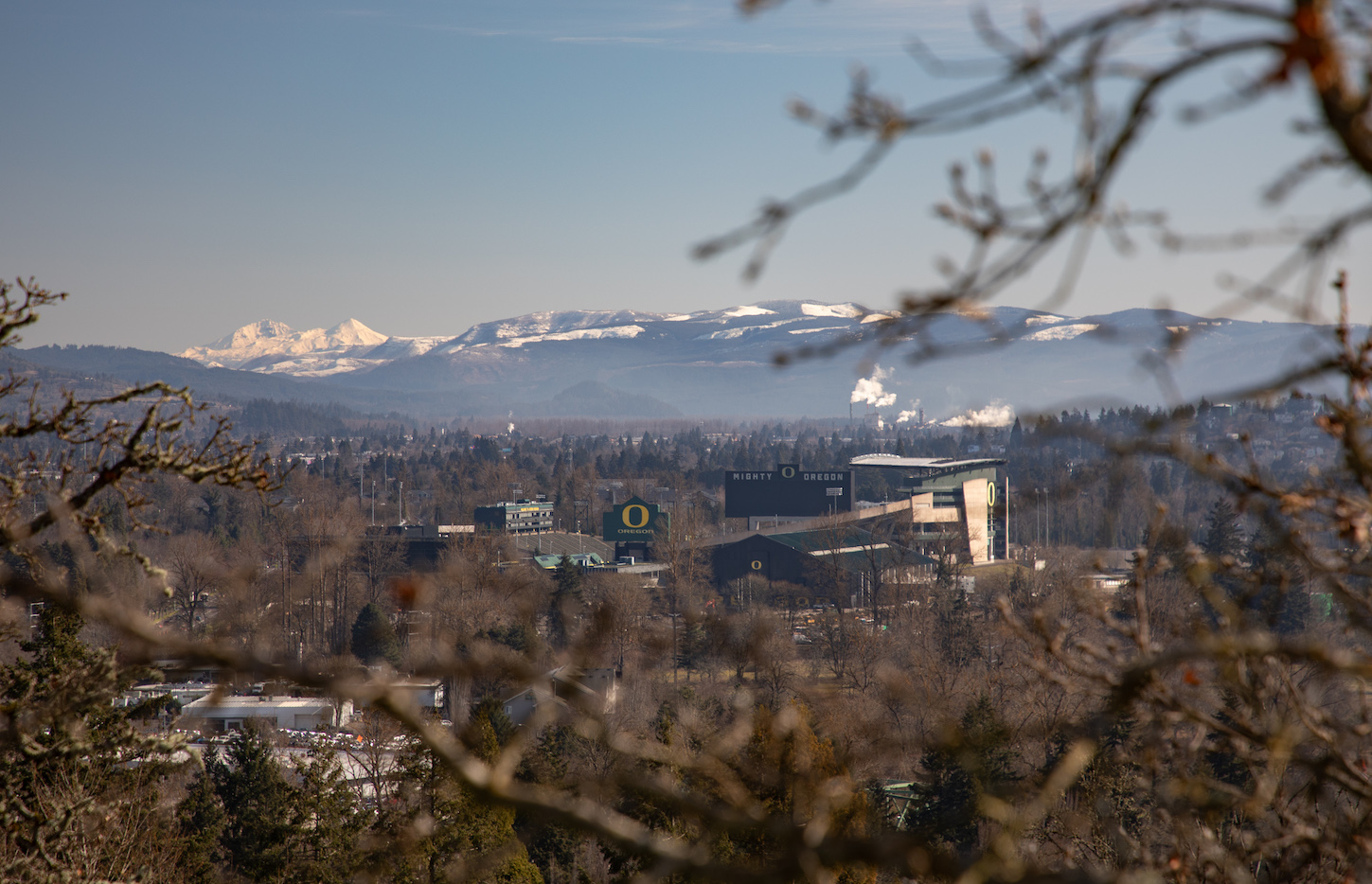
EWEB and the University of Oregon (UO) are extending a study that seeks to better understand if running UO’s on-site combined heat and power (CHP) generator during short periods of peak winter demand can support a cleaner, more reliable grid. The CHP generator uses natural gas to generate electricity and captures the excess heat to produce steam for campus heating, making it more efficient than conventional power plants.
The study period began in January and is now scheduled to extend through the end of March. It gives EWEB the option to run the UO’s generator at times during this three-month window if certain conditions are met.
Specifically, the generator would operate only during supply-constrained peak conditions — when electricity demand is high and affordable renewable sources such as wind, solar, and hydropower are limited. Regional studies indicate that these types of conditions are becoming more likely, and in extreme cases could increase the risk of controlled outages, sometimes referred to as rolling blackouts.
So far in January and February, EWEB has not turned on the generator. Mild weather conditions have kept energy demand in check, and a wet early winter filled reservoirs across the Pacific Northwest, making renewable hydropower abundant.
Extending the study gives the agencies an extra month to evaluate the generator’s performance, greenhouse gas emissions, local air quality impacts, and financial implications, should late-season conditions require it.
“We’re quite confident that under certain conditions — specifically, when energy demand across the Northwest is high and natural gas power plants are all ramping up — the UO’s generator can reduce regional greenhouse gas emissions,” said EWEB Chief Energy Resource Officer Brian Booth. “This study is intended to help us evaluate that hypothesis, along with cost and local air quality impacts, so we can make informed, balanced decisions.”
If March is also a mild month and the generator is not needed, then EWEB and the UO will consider extending the study next winter.
Local generation strengthens resilience
Nearly all the time, renewable energy such as hydropower and wind is plentiful, and EWEB doesn’t need to use fossil fuel sources to meet customer demand. In 2024, EWEB’s power supply was approximately 94% carbon-free.
However, on rare occasions — particularly during the coldest winter days — electricity demand can surge while renewable output is limited. During these conditions, utilities rely on additional resources that can be turned on quickly and do not depend on weather conditions such as wind, sunlight, or water availability.
The University of Oregon’s natural gas combined heat and power generator can serve as one such flexible, on-demand resource during those rare occasions.
Local coordinated generation also provides community-level benefits. Partnering with local power generators such as UO can reduce reliance on distant power plants and long transmission lines while giving EWEB more control over generation decisions and emissions.
“Having flexible, local generation resources gives EWEB more visibility and influence over how electricity is produced to meet Eugene’s needs, rather than relying solely on distant power plants operating elsewhere in the region,” Booth said. “Even though we haven’t turned on the generator yet this winter, this study is strengthening local coordination and preparedness, and we have a highly efficient resource on standby if it’s needed.”
Combined Heat and Power is Highly Efficient
The UO’s generator would reduce regional carbon emissions if it displaces a less efficient natural gas power plant elsewhere in the region. That’s because it is a combined heat and power system — a technology designed to get more useful energy out of the same amount of fuel.
Most conventional gas-fired power plants generate electricity and release the excess heat created during the process into the atmosphere. By contrast, the UO’s CHP system captures that heat and uses it to produce steam that warms campus buildings, making it essentially a buy-one-get-one deal.
“There are times when renewable resources can’t fully meet regional electricity demand,” Booth said. “During those limited periods, natural gas fills the gap. A combined heat and power system like this one uses that fuel more efficiently than conventional gas plants, which can mean lower emissions and lower costs compared to other available options.”
Reliable, affordable electricity is key to climate goals
Because of EWEB's nearly carbon-free power, transitioning cars and furnaces from gas to electric power can reduce air pollution and create a better, cleaner environment. But for that transition to succeed, electricity must be not only clean, but also reliable and affordable.
“Every time a person chooses electricity over fossil fuels, it moves Eugene closer to our climate goals,” Booth said. “To sustain that progress, we need data to guide how we balance clean energy with reliability and affordability. This study helps provide that information.”
Have questions? Visit our Q&A page to learn more about the study, what it's evaluating, and how it fits into EWEB's broader energy supply planning.