
Looking for ways to save energy and water, lower your carbon footprint, and improve the safety and comfort of your home?
We offer rebates and loans for your home or rental property that can help offset the upfront cost to upgrade windows, insulation and appliances.
Need help? Here is a list of contractors who have participated in our programs in the past 12 months.

Residential thermostat program
Maintain the comfort of your home while also saving energy and money with a programmable thermostat.

Heat pump water heater program
We promote energy efficiency by offering you a streamlined and cost-effective way to replace your home's existing water heater with an energy-efficient heat pump water heater.

Insulation, Air Sealing and Windows Program
We offer rebates to help you upgrade your home's existing shell with energy-efficient products. Improve your insulation and you can conserve heating and save money over time.

Ducted heat pump program
High-efficiency heat pumps are ideal for our mild Pacific Northwest climate.
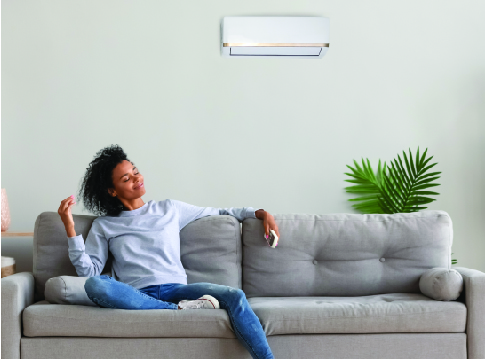
Ductless heat pump program
An energy efficient ductless heat pump is cheaper to install and operate than any other heating system.

Renters & landlords
We have programs and resources that can help both the rental property owner and the occupant. Learn more about the Home Energy Score program and other offerings.
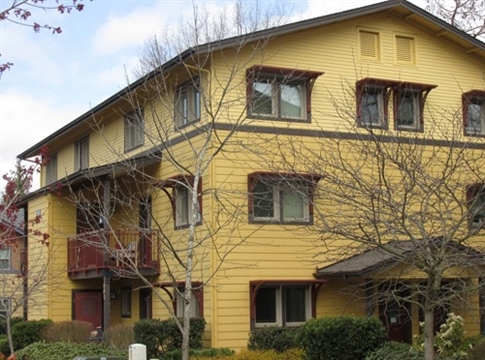
Multifamily Units
We have specific incentives available if you own an apartment building, townhouse, or another type of multifamily unit.

Backup power program
We offer financing options for customers to purchase a backup power system.

Payment Assistance Programs
You may qualify for a bill credit and other assistance programs.

EV Incentives
In addition to the cost savings you'll get from driving an EV, there are also tax and rebate incentives that could save you thousands of dollars on your purchase or lease.
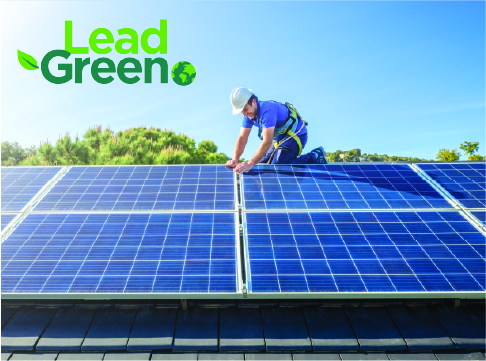
Rooftop solar incentives
Install rooftop solar panels to supplement the clean, reliable electricity you get from EWEB.

McKenzie Watershed Landowner Programs
Are you a landowner in the McKenzie Watershed? Check out our assistance programs and incentives.

Water Conservation Tips
Check out ideas for saving water inside and outside of your home. You can also take advantage of our rebates for customer-side hand valves and ultra high efficiency toilets.
Give your yard or garden just the right amount to drink.
Sign up for weekly watering recommendations for your yard and garden.
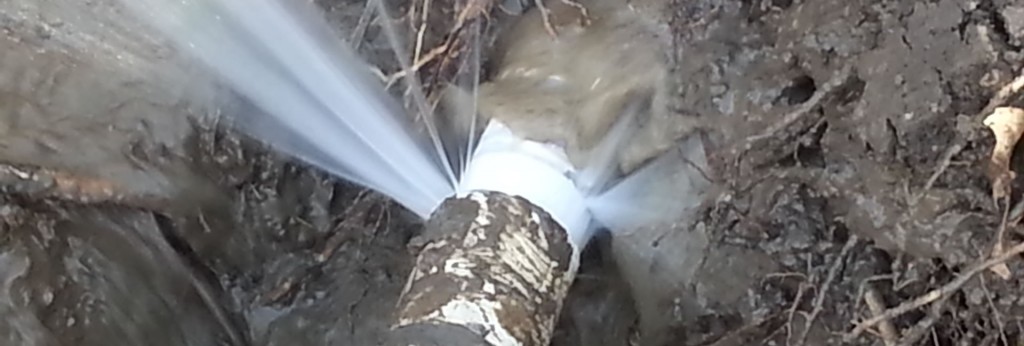
Need a new water service line, replacement line, or income eligible leak repair?
We offer a loan or grant program for customers who need financial assistance with a new water service line installation, replacement of existing water line, or limited-income leak repair.

Rebates for Weather-based Sprinkler Controllers, Toilets, and Customer Side Hand Valves
We offer rebates for fixtures and equipment that will help you save water.
Related programs

New construction program
Our residential new construction program offers rebates for efficiency upgrades to new single family, multi-family and manufactured homes.

Need new electric service, an upgrade, or repair?
We offer a loan or grant program for customers who need financial assistance with a new service, upgrade, or repair.