
Questions?
Call us at 541-685-7607 or email LeadGreen@eweb.org.
As an EWEB customer, you’re already using clean, renewable energy and investing in McKenzie Watershed protection. But together we can do more.
Greenpower customers pay a little more in their monthly bill to fund local solar projects, help minimize climate change effects and support renewable energy.
Join Greenpower for as little as $1.50 per month. If you can afford more, you can invest more by matching up to 100% of your electricity consumption. Greenpower is structured to be accessible, regardless of income.
We use your Greenpower dollars to:
- Fund EWEB’s rooftop solar incentive program
- Provide $50,000 Greenpower Grants to local non-profits for environmental projects. Greenpower Grants are offered every other year. We'll open applications for the next grant offering in Spring 2025.
- Support clean energy generation through Renewable Energy Certificates
- Fund K-12 educational events relating to renewable energy
Take action
Supporting local solar and other environmental projects through EWEB is simple:
- Determine your monthly electricity usage by looking at your EWEB bill.
- Decide how much of your usage you want to match (some, all or extra) and sign up for Greenpower
How does it work?
Greenpower is an easy and voluntary way to support local renewable energy, above and beyond EWEB’s substantial renewable energy portfolio.
The charges for the program are added to your EWEB bill.
You have two investment options under the plan:
Option 1: Go all-in
Assign 100 percent of your electricity use to Greenpower with an extra one cent per kilowatt-hour. For reference, the 2023 electricity cost for residential customers is 9.72 cents per kWh and about 11.26 cents per kWh for small businesses. (The premium applies only to the energy charge on your bill, not the delivery or demand charge.)
Since your electric use varies each month, your Greenpower investment will vary as well.
Example: If your monthly energy was 1,000 kWh, then your Greenpower investment would be $10 for the month.
Option 2: Buy fixed blocks
We have two block sizes. Just pick the size of the block, and then select the number of blocks you'd like based on your electricity usage.
- 1,000-kilowatt-hour blocks cost $10 each (the average household uses about one block this size per month, but business use varies widely)
- 100 kilowatt-hour blocks cost $1.50 each.
With this option, your Greenpower investment is a predictable fixed amount each month.
EWEB's formal Rate Schedule for this program is available here.
Where does my Greenpower investment go?
For every one dollar invested in Greenpower:
- $0.63 goes to local solar installations
- $0.27 goes to grants to nonprofit agencies
- $0.07 goes to REC retirement
- $0.03 goes to program administration
Greenpower funds have allowed more than 700 local residents, businesses and community organizations to install rooftop solar over the years.
Show your support for local solar projects
What if you want to invest in rooftop solar but you don’t own the roof? What if your home gets limited sunlight?
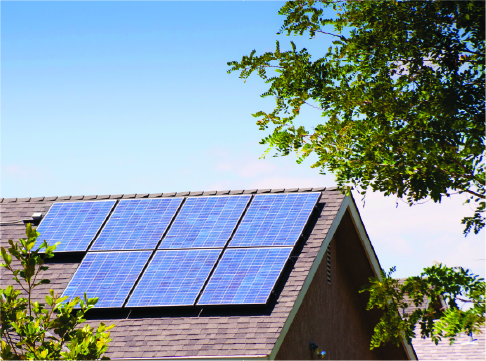
Rooftop solar isn’t practical for every building, but by investing in Greenpower, you can help fund solar installations where they make sense throughout our community.
In 2021, 64 new solar projects were completed with an estimated annual savings of over 609,000 kWh. Here's a breakdown by customer:
Residential: 60 net metered projects completed with an estimated annual savings of over 493,000 kWh
Commercial: 1 net metered project and 2 direct generation projects completed with a total estimated annual savings of over 116,000 kWh
How much does Greenpower cost?
Our Greenpower program provides an easy and affordable way for you to help the environment. Each month, your support of EWEB Greenpower will be listed on your electricity bill as a separate item.
Whether you are a residential or business customer, you have several options for supporting Greenpower:
- You can assign 100 percent of your electricity use to Greenpower with an extra one cent per kilowatt-hour premium. The average household uses 1,600 kilowatt-hours of electricity in a month and so would pay an additional $16 a month. The premium applies only to the energy charge on your bill (not the delivery or demand charge). With this option, your Greenpower amount will vary from month to month depending on how much energy you use.
- Or you can choose to pay for blocks of Greenpower. We have two block sizes: 1,000-kilowatt-hour blocks cost $10 each (the average household uses about one block this size per month, but business use varies widely), or 100 kilowatt-hour blocks cost $1.50 each. Just pick the size of the block, and then select the number of blocks you'd like based on your electricity usage. With this option, the Greenpower amount is constant from month to month.
We place these Greenpower funds in a reserve account that supports research, education and projects that advance renewable energy. Those projects include incentives for our customers who install local solar energy projects.
You might also be interested in:
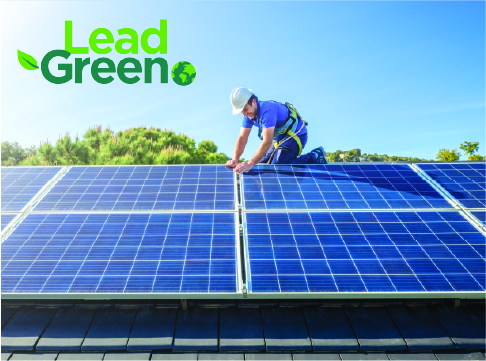
Rooftop solar incentives
Install rooftop solar panels to supplement the clean, reliable electricity you get from EWEB.

Drive or ride electric
Upgrading from gas vehicles to electric cars and bikes can reduce air pollution and create a better, cleaner environment. In addition to the cost savings you'll get from electric transportation, you may qualify for EWEB rebates and state and federal tax credits.

Save energy & water
Help reduce your utility bill and lower your carbon footprint by living green. We offer rebates and loans for your home or rental property that can help offset the upfront cost to upgrade heating, cooling, water heating, windows and insulation.

Manage your energy
Lower your operating costs and reduce your business’s carbon footprint by working green. We offer a variety of incentives to help you make improvements to your facilities.
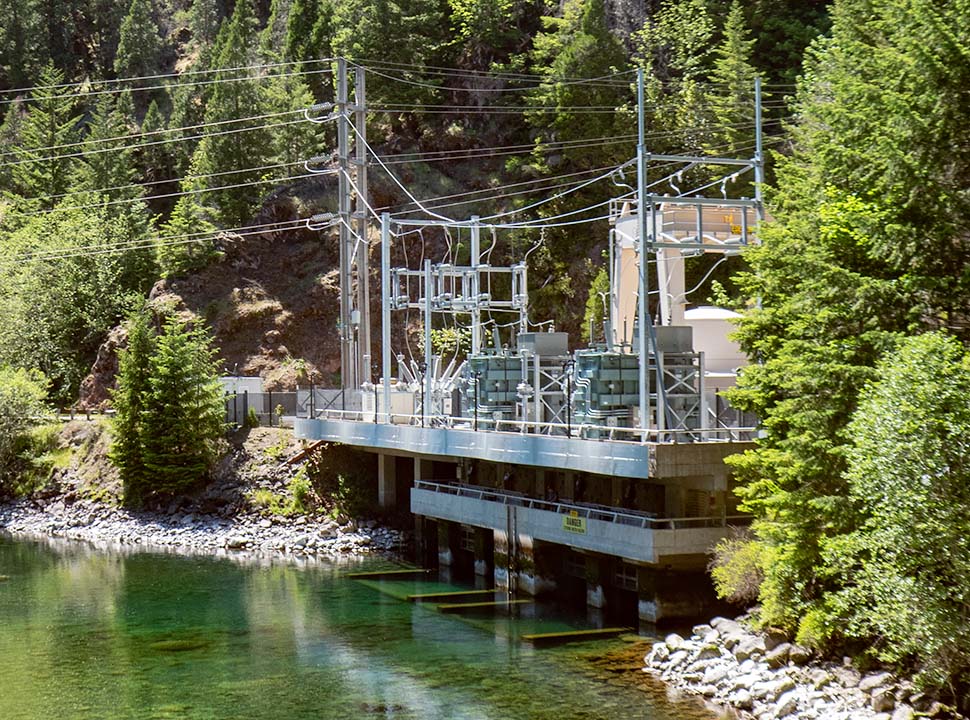
Our power supply
Learn more about where your electricity comes from.
Our commitment to the environment
As a public utility, we share our customers' values around environmental stewardship.